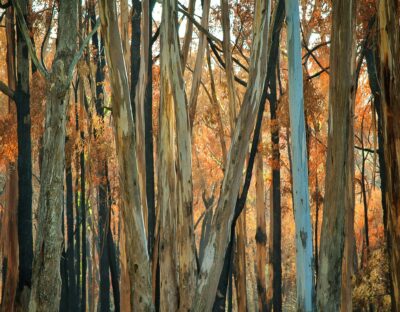
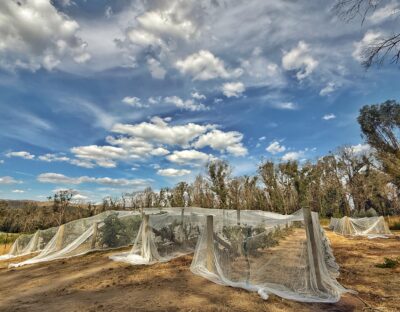
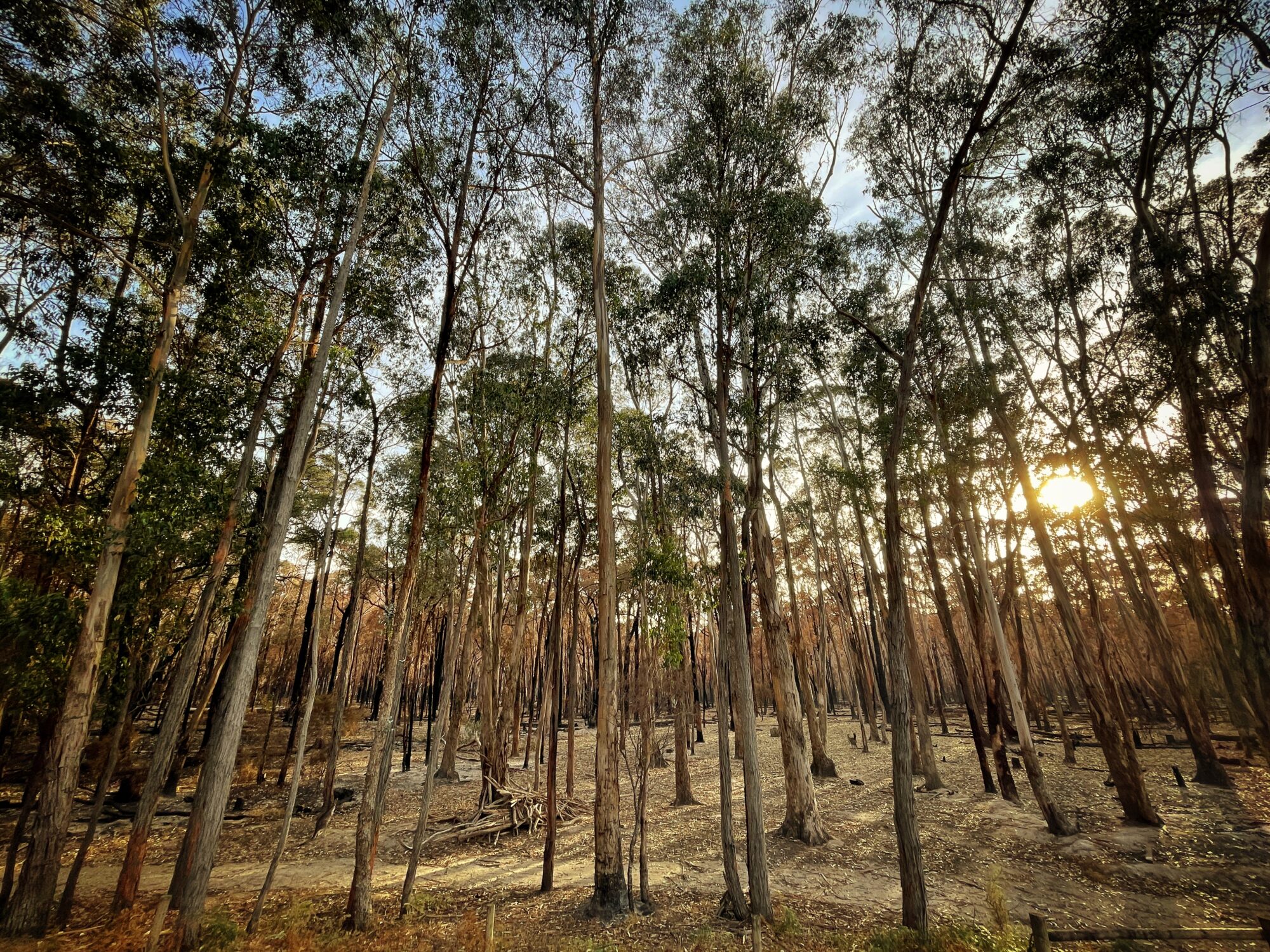
When the 2024 Bayindeen bushfires swept through areas of the Mt Cole landscape, the damage went far beyond burnt vegetation. One of the most serious impacts was the loss of natural tree hollows—essential homes for many native animals.
Natural hollows can take over 100 years to form, yet they were lost in a single fire event. Across Australia, around 17% of bird species, 42% of mammals and 28% of reptiles rely on hollows for nesting, roosting and shelter, making them vital to survival.
With so many hollow‑bearing trees destroyed, wildlife searching for safe places to live now face a critical shortage.
A community-led boost for local wildlife
To help fill this gap, last year the Mt Cole–Pyrenees Nature Group organised a community workshop where volunteers came together to assemble nesting boxes. Some of the finished boxes were then generously donated to us to support hollow‑dependent wildlife as the forest regenerates.
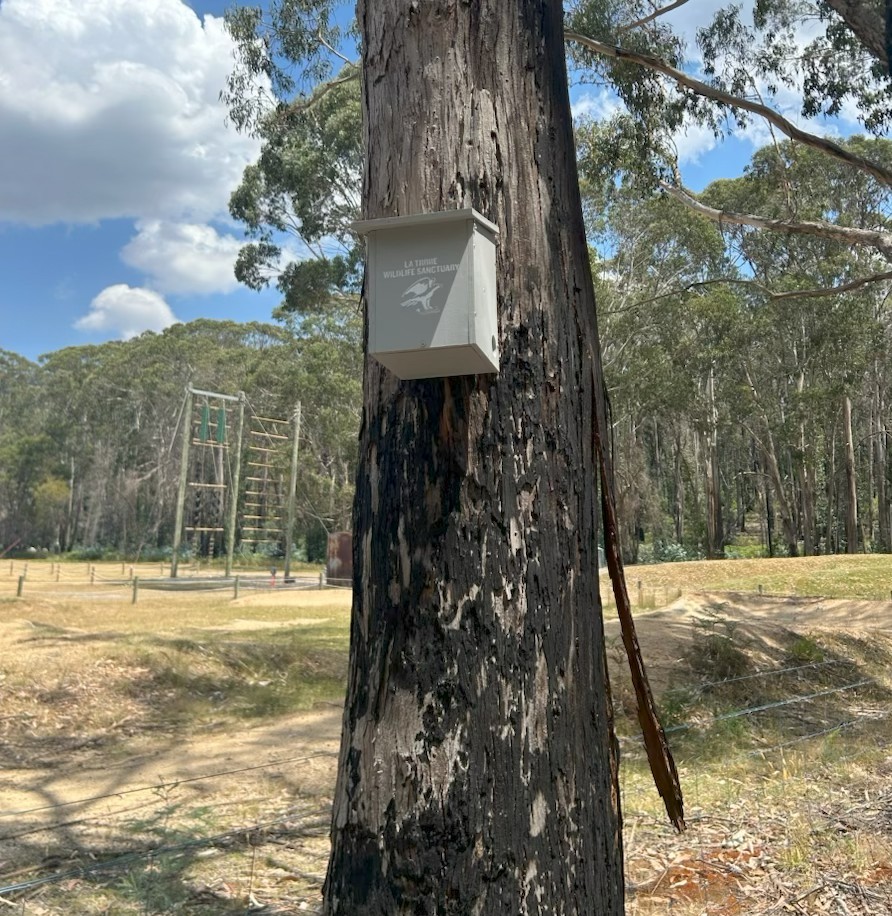
These nesting boxes are especially suited to gliders and phascogales—small arboreal mammals that depend heavily on hollows for denning and breeding. La Trobe University notes that species such as sugar gliders, feathertail gliders and brush‑tailed phascogales are among the most frequent users of nesting boxes because they rely so strongly on hollow shelter.
We have installed a number of these boxes on and around our site, creating much‑needed refuges for animals returning to the recovering forest.
Small Structures, Big Impact
Although simple, nesting boxes can make a powerful difference after fire. They help by:
- Providing immediate places to roost and nest
- Supporting the return of gliders, phascogales, possums, microbats and hollow‑nesting birds
- Helping stabilise wildlife populations as habitat slowly reforms
- Bridging the decades‑long gap before new hollows naturally develop
We are incredibly grateful to the Mt Cole–Pyrenees Nature Group for their initiative, generosity and commitment to supporting local wildlife.
Looking Ahead
As the Mt Cole State Forest continues to recover, these nesting boxes will give wildlife a safe head start during the crucial early years of regrowth. Over time, monitoring will help us understand which species adopt them and how they contribute to the wider ecosystem.
It’s a wonderful example of community‑driven conservation—restoring forest resilience one nesting box at a time. Keep an eye out around camp and see if you can spot one on your next visit!